3 Smart, Legal Ways to Lower European Aluminum Window Tariffs
Looking for custom windows for a multi-million-dollar luxury spec home, but the increase in duties on aluminum windows has made you question whether importing from Europe is still worth the risk?
Good news: Europe offers alternatives that meet premium-segment expectations and cost significantly less than aluminum.
Here are 3 practical alternatives that make the profit from importing more than offset the cost and risk.
From this article, you’ll learn:
- How to reduce the impact of U.S. duties on European aluminum windows on your import profit
- Which materials are the best alternatives to aluminum windows in a spec home
- How to check whether the final homebuyer will actually notice the difference between aluminum and uPVC
- When wood or alu-clad wood makes more sense than premium uPVC windows
Solution #1: High-End uPVC Windows That Imitate Aluminum
The first option is simple: instead of aluminum, choose European high-end alu-look uPVC windows that look almost identical to aluminum profiles. They are also double-reinforced with steel inside.
Why?
Because even after duties, premium European uPVC windows can cost at least 70% less than aluminum windows. In practice, a full aluminum window package can cost up to 2x more than the same window set made from uPVC.
Estimated Total Cost with Duties – Premium uPVC vs Aluminum ($/sq ft)
Type |
uPVC |
Alu |
Price gap |
|---|---|---|---|
2-glazed |
$35 |
$68 |
+95% |
3-glazed |
$43 |
$74 |
+70% |
Note:These numbers show the estimated total cost per sq ft based on internal debesto quotes. They include duties and delivery. Final price depends on the project: window sizes, construction types, specifications, and delivery scope.
We would not be surprised if your first thought is:
“I do not want plastic windows in my premium spec home.”
For many U.S. spec home builders, uPVC sounds cheap, mass-market, and wrong for a multi-million-dollar home.
But European premium uPVC is not the same as standard American vinyl.
We guarantee that European premium uPVC windows with Double Steel Reinforcement technology are better than aluminum windows available on the U.S. market.
Visual Check: Try to Tell Premium uPVC From Aluminum
Look at the photo below.
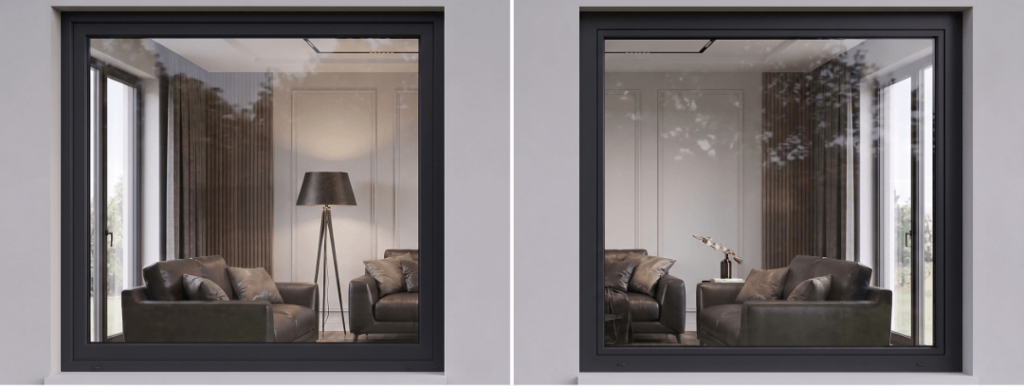
Which one is aluminum? How much money would you bet that you are right?
Answer: the aluminum window is on the right. The uPVC window is on the left.
If the difference was not obvious at first glance, it probably will not be obvious to your buyer either.
Especially once the windows are installed, the façade is finished, and the buyer is looking at the whole house, not a profile cross-section.
A well-chosen European alu-look window can deliver a modern, geometric, aluminum-style look. This works especially well with dark colors and the right foil finish.
At the same time, it can increase your profit from importing from Europe.
For example, if the alu-look uPVC window package shown in the photo costs $100,000, the same package in aluminum, including duties, can cost up to $250,000.
Compare Premium uPVC and Aluminum Windows Before You Decide
If you still have doubts, test it with no risk. The biggest mistake is to reject alternatives based only on assumptions.
For $300, you can order a sample kit with different materials: European uPVC, wood, and aluminum.
Compare them in person. Check the color, texture, build quality, and real profile look. Then judge how these windows would fit your spec home.
Show the samples to your architect or industry contacts and run a simple test: Which window is aluminum, and which one is uPVC?
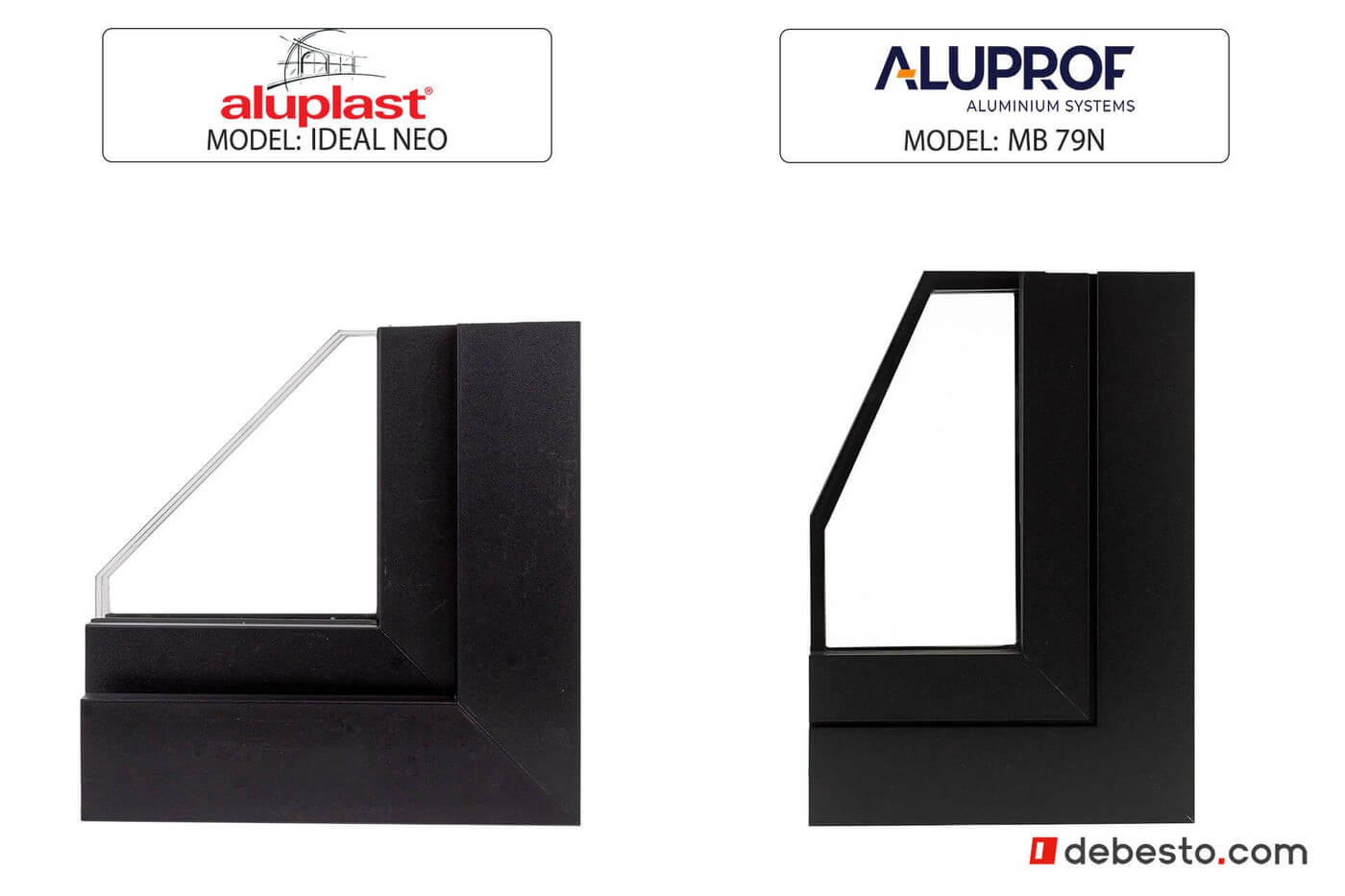
Compare and Judge for Yourself
Order a dedicated window sample kit with European uPVC and aluminum profile samples.
On your desk in 3 business days.
Solutions #2 and #3: Luxury European Wood or Alu-Clad Windows
If you still do not want uPVC in your spec home, consider a material that clearly belongs in the premium segment: natural wood from European forests.
You can choose either wood windows or alu-clad windows — wood windows with an aluminum exterior cladding. Both options fit luxury spec homes without the “plastic window” concern.

Wood gives the home a natural luxury feel and raises its perceived value. With alu-clad windows, you get even more: real wood on the inside and a modern aluminum look on the outside.
European wood windows are made from selected timber that is precisely machined and impregnated to help protect it from moisture. That helps the windows keep their premium look longer and makes them safe for ocean freight.
In practice, both wood and alu-clad windows cost roughly the same as aluminum before duties.
But because they fall under lower duty rates — including alu-clad, which is treated as wood — the final import cost can be close to what aluminum windows cost before the tariff increase.
That can be at least 50% cheaper than buying locally in the U.S., so the profit can clearly outweigh the risks of direct import from Europe. If uPVC is off the table, choose wood.
Summary: How To Legally Lower Duties for European Aluminum Windows?
Option |
When it makes the most sense |
Main benefit |
|---|---|---|
Alu-look Premium uPVC |
When you want the biggest savings and a similar visual effect to aluminum |
Lowest product cost and lower duties |
Wood |
When you want a natural material that increases the perceived value of the home |
Premium product with lower duties than aluminum |
Alu-clad |
When you want wood on the inside and an aluminum look on the outside |
Premium effect without the full aluminum cost |
The simplest rule:
- If you want to cut import cost as much as possible, choose alu-look uPVC.
- If you need a true premium material, choose wood windows.
- If you want to combine real wood with an aluminum exterior look, choose alu-clad windows.
Have a direction in mind and want to check which option makes the most sense for your project? Book a free consultation.
We will compare product costs, duties, and delivery live. We will check which material: aluminum, alu-look uPVC, wood, or alu-clad best fits your project requirements and where you can still save on duties.