The Challenge: Premium, proven solutions without luxury tax
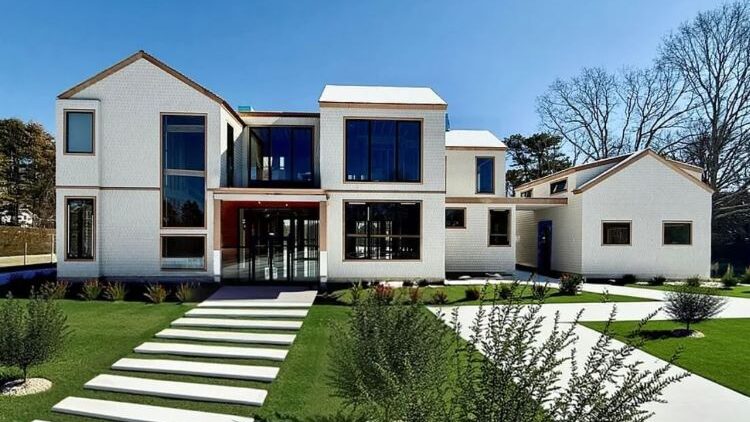
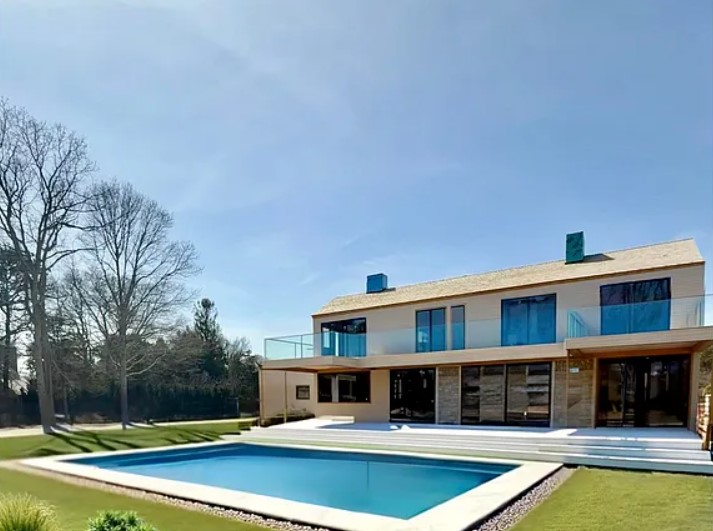
Roland is an experienced New York developer specializing in high-end residential builds on Long Island and a returning debesto client. On this 5,100 sq ft spec home in the Georgica Estate area, the windows had to live up to 11 ft ceilings, oak flooring, and granite pool details. The real problem wasn’t sourcing nice windows, it was hitting a strict luxury design standard without the luxury window bill.
Premium look, not premium price: he needed ultra-slim frames and oversized glazing to match the interior – without paying a premium for the privilege.
No gamble on unproven systems: with 16 ft sliding doors in play, one technical failure would be a disaster; he wouldn’t bet on unverified factories.
No paying for a badge: he refused to pay extra just for a U.S. brand name.
The Solution: Frameless aluminum, maximized glass
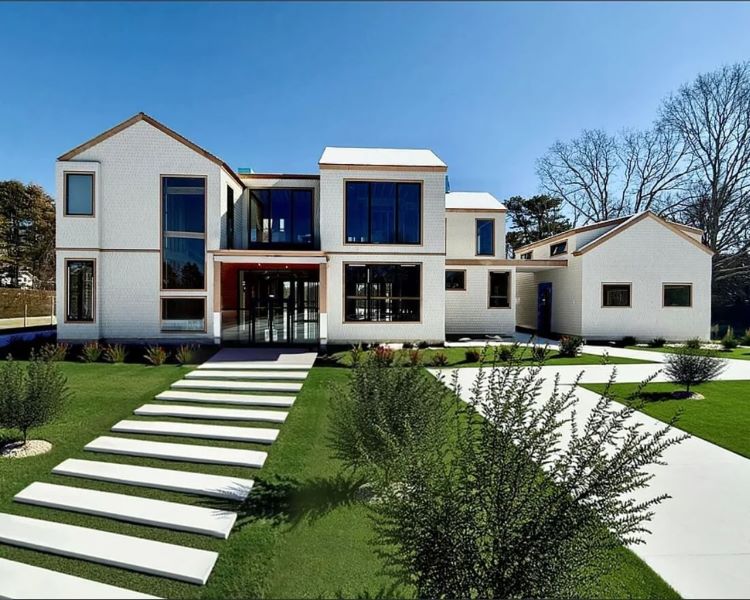
The priority was maximizing glass area to match the wide, open interior, so the pick was slim-frame aluminum: Aliplast Max Light Modern for windows and swing doors, and Cortizo COR Vision / COR Vision Plus for the sliding units. Those systems delivered sliding doors 16 ft wide by 10 ft high, windows reaching 8–10 ft, and frames as narrow as 1.38 inches (35 mm) on fixed units.
On top of that came the tailored features the architecture called for: switchable smart glass (privacy to transparent), Cool-lite sunproof glass to limit heat gain, tempered safety glass, concealed hinges, flush thresholds for a seamless indoor-outdoor transition, and a jet-black finish.
Floor-to-Ceiling Glass at Half the Window Cost
Half the window bill
Slim-frame European aluminum delivered the ultra-slim, oversized look at ~50% less than equivalent U.S. systems
Proven systems, no surprises
Tested profiles from verified Polish manufacturers, so the huge sliding units run flawlessly for the long term.
Quality, not a brand tax
Higher-grade profiles without the extra cost of a U.S. name
The Result: Half the window cost on a $14.5M listing
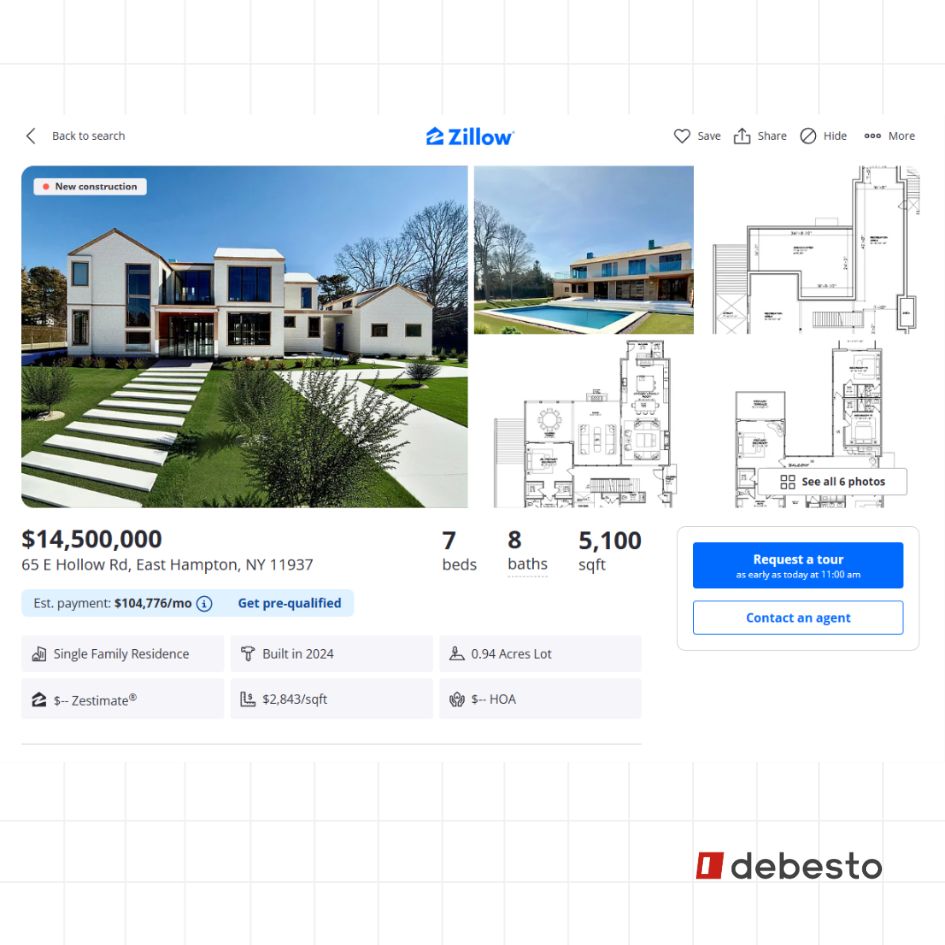
debesto helped Roland cut window and door costs by around 50% versus equivalent U.S. systems – while using higher-quality profiles from proven Polish manufacturers. The house now sits listed at $14.5 million in one of the most expensive markets in the country.
Just as important for a spec build: the large glass surfaces are engineered for trouble-free, long-term operation, which protects the developer’s reputation and the home’s resale value once a buyer takes it on. Roland didn’t come to debesto cold. He’d worked with them before and came back for this build. When a developer returns, that’s the clearest sign the approach works.
Want to achieve similar results? See how we can help you
Want to achieve similar results? See how we can help you
“The biggest help debesto provides is serving as the bridge between the architect and the ordering of the windows – it’s a long, detailed process. The technical sales team ensures the architect and client get exactly what they want.
We literally go window by window to make sure it’s the right window with the right features, reviewing everything multiple times before the invoice, so each one arrives as specified and doesn’t need to be reframed or reinstalled.“
Roland — Spec home developer, New York
Want to talk with Roland? Just ask our consultant to arrange reference call
Want to talk with Roland? Just ask our consultant to arrange reference call
As a Key Account Consultant at debesto.com, I specialize in the aluminum windows and patio doors, with 7 years of experience assisting US building companies.
I’ve completed over 700 orders, showcasing a hands-on understanding of big business needs. I offer practical expertise alongside a proactive approach to meet project goals.
Outside of my professional life, I’m an enthusiast of sports, especially soccer.
How two architects upgraded their Long Island coastal home with passive-style aluminum windows from Poland - cutting costs by 50% without compromising on performance or aesthetics.
Discover how black aluminum windows transformed a historic Manhattan townhouse. This case study explores balancing preservation requirements with cost-effective, high-performance solutions for heritage projects.